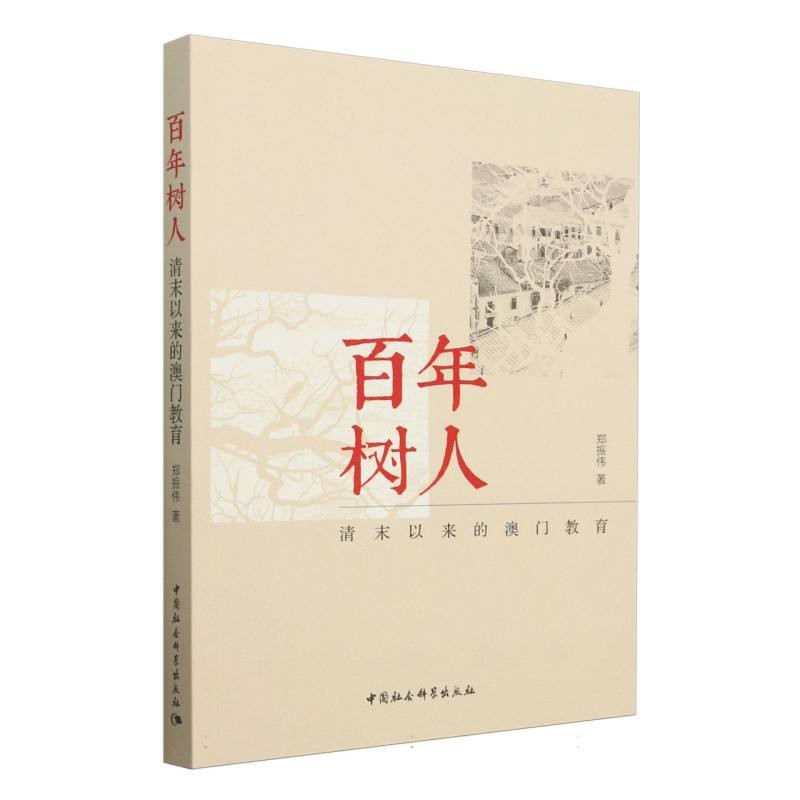
This book is an academic work on the history of education in Macao, covering the period from the late Qing Dynasty to the post-handover era. It explores the development of the region’s educational system and highlights key historical shifts. The author begins with the education of the Chinese and Portuguese communities during the late Qing Dynasty. The text details initiatives by the Chinese community, including the establishment of schools, the oversight of private schools, and the organization of student-led patriotic activities. The narrative then shifts to the extracurricular dimensions of modern education, particularly the activities of the Boy Scouts and YMCA, emphasizing their educational values. Using extracurricular engagement as a lens, the author chronicles the histories of two patriotic schools—Pui Ching and Kwong Tai—both of which maintained strong educational missions despite challenging circumstances. Special attention is given to Pui Ching’s principal, Kuang Bingren, whose lifelong dedication to education and moral integrity are praised. Additionally, the Tung Sin Tong Charitable School is highlighted as a model for providing free education to the public. Other chapters examine the development of normal education, the cultivation of Chinese language teachers, and the research on educational history in Macao from the transition period to the post-handover era. These discussions reflect the reforms in Macao’s education sector and highlight the various contributions made by the Macao SAR Government to the region’s educational development.